LIEUTENANCY
TORONTO CANADA

0

LIEUTENANCY
TORONTO CANADA

0

LIEUTENANCY
TORONTO CANADA

0

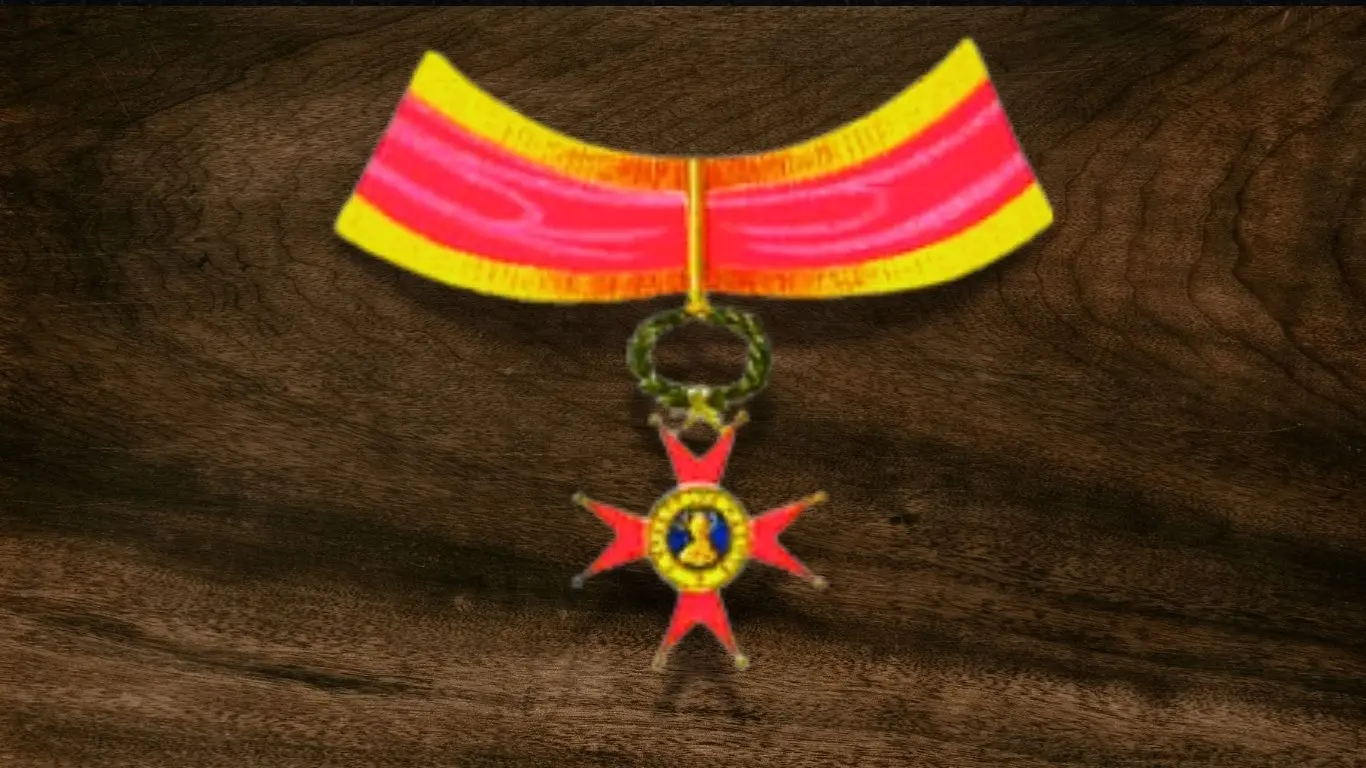
Supreme Order of Christ

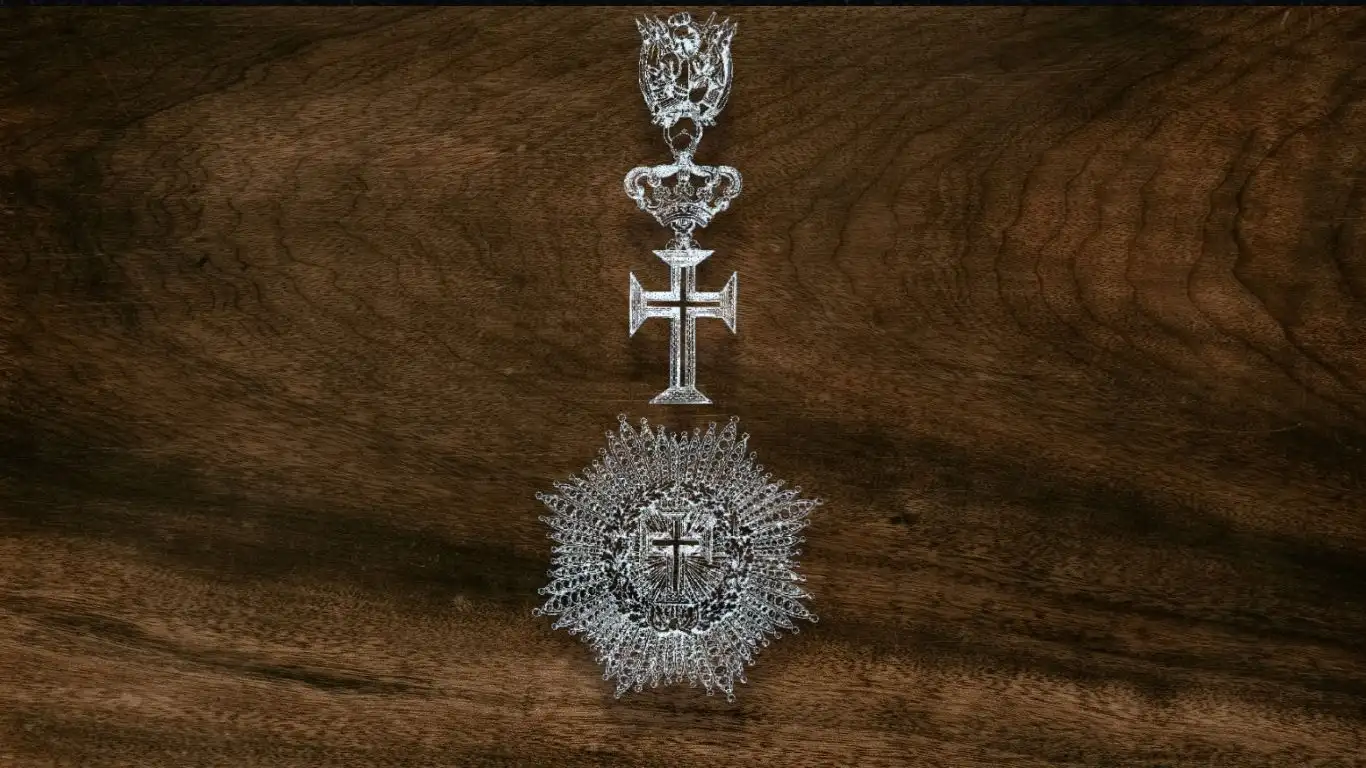
The Supreme Order of Christ (Italian: Ordine Supremo del Cristo) is the highest order of chivalry awarded by the Pope. According to some scholars it owes its origin to the same Order of Christ of the Knights Templar, from which came the Order of Christ that was awarded by the Kings of Portugal and the Emperors of Brazil. The Portuguese order had originally both a secular and religious component; by the 18th century, the religious component had died out.

Supreme Order of Christ

The Supreme Order of Christ (Italian: Ordine Supremo del Cristo) is the highest order of chivalry awarded by the Pope. According to some scholars it owes its origin to the same Order of Christ of the Knights Templar, from which came the Order of Christ that was awarded by the Kings of Portugal and the Emperors of Brazil. The Portuguese order had originally both a secular and religious component; by the 18th century, the religious component had died out.

Order of the Golden Spur


The second highest Papal order is the Order of the Golden Spur, also denominated the “Order of the Golden Militia”. There is a lack of clear historical evidence of its foundation, but it is certain that it is the oldest of the Papal Orders. Broad authority to grant the Order diminished its prestige, and led Pope Gregory XVI to place the Order under the patronage of the Order of St. Sylvester in 1841. As part of this reorganization, the Pope limited the ability to grant the Order and revoked the appointments of those who were not granted it by Papal brief. In 1905 Pope St. Pius X separated the Order from the Order of St. Sylvester, establishing it as the Order of the Golden Militia. He also limited the number of knights to one hundred. A Papal bull of 1966 further limited it to Christian sovereigns and heads of state. That bull also denominated it the “Order of the Golden Militia”, but the Annuario Pontificio lists it under two names, both as the “Order of the Golden Spur” and as the “Order of the Golden Militia”.
Order of the Golden Spur


The second highest Papal order is the Order of the Golden Spur, also denominated the “Order of the Golden Militia”. There is a lack of clear historical evidence of its foundation, but it is certain that it is the oldest of the Papal Orders. Broad authority to grant the Order diminished its prestige, and led Pope Gregory XVI to place the Order under the patronage of the Order of St. Sylvester in 1841. As part of this reorganization, the Pope limited the ability to grant the Order and revoked the appointments of those who were not granted it by Papal brief. In 1905 Pope St. Pius X separated the Order from the Order of St. Sylvester, establishing it as the Order of the Golden Militia. He also limited the number of knights to one hundred. A Papal bull of 1966 further limited it to Christian sovereigns and heads of state. That bull also denominated it the “Order of the Golden Militia”, but the Annuario Pontificio lists it under two names, both as the “Order of the Golden Spur” and as the “Order of the Golden Militia”.

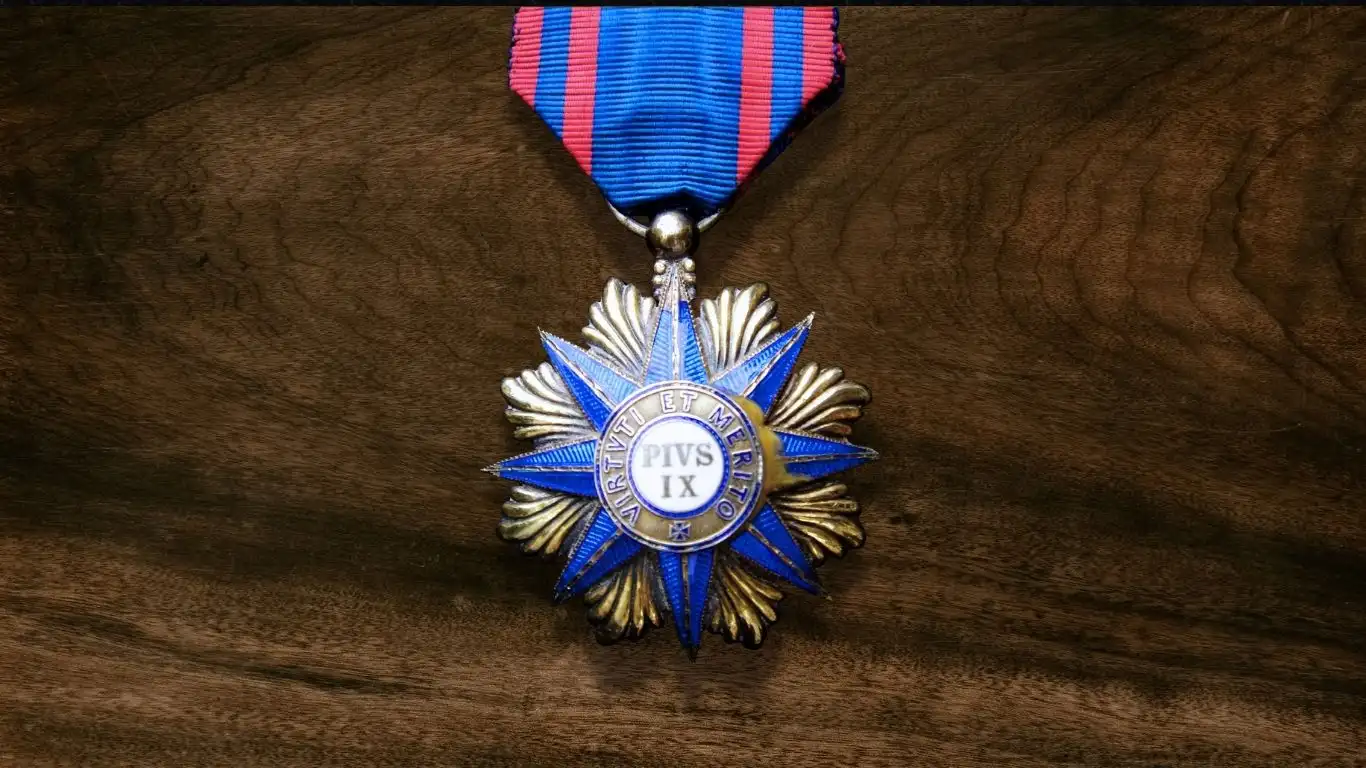
Order of Pius IX

The fourth highest Papal order is the Equestrian Order of St. Gregory the Great. Pope Gregory XVI established the order on 1 September 1831 by the Papal brief Quod summis. It is awarded in four classes, with military and civil divisions. It was initially founded to reward meritorious civic or military service to the Papal States. Through the reforms of 1905, the Order was modified so that the classes paralleled those of the Order of Pius IX, excluding the collar. The Order is currently awarded for conspicuous service to the Catholic Church, without regard to religious affiliation. These awards are typically given premised on recommendations from bishops or Papal nuncios for specific services rendered to the Catholic Church. Membership in the Order of St. Gregory the Great does not carry the religious obligations of the military orders, making it the preferred award of merit for individual service to the Catholic Church. Since 1994, women have been appointed as “dames” in the same classes as men.

Order of Pius IX

The fourth highest Papal order is the Equestrian Order of St. Gregory the Great. Pope Gregory XVI established the order on 1 September 1831 by the Papal brief Quod summis. It is awarded in four classes, with military and civil divisions. It was initially founded to reward meritorious civic or military service to the Papal States. Through the reforms of 1905, the Order was modified so that the classes paralleled those of the Order of Pius IX, excluding the collar. The Order is currently awarded for conspicuous service to the Catholic Church, without regard to religious affiliation. These awards are typically given premised on recommendations from bishops or Papal nuncios for specific services rendered to the Catholic Church. Membership in the Order of St. Gregory the Great does not carry the religious obligations of the military orders, making it the preferred award of merit for individual service to the Catholic Church. Since 1994, women have been appointed as “dames” in the same classes as men.

Order of Saint Gregory the Great


The fourth highest Papal order is the Equestrian Order of St. Gregory the Great. Pope Gregory XVI established the order on 1 September 1831 by the Papal brief Quod summis. It is awarded in four classes, with military and civil divisions. It was initially founded to reward meritorious civic or military service to the Papal States. Through the reforms of 1905, the Order was modified so that the classes paralleled those of the Order of Pius IX, excluding the collar. The Order is currently awarded for conspicuous service to the Catholic Church, without regard to religious affiliation. These awards are typically given premised on recommendations from bishops or Papal nuncios for specific services rendered to the Catholic Church. Membership in the Order of St. Gregory the Great does not carry the religious obligations of the military orders, making it the preferred award of merit for individual service to the Catholic Church. Since 1994, women have been appointed as “dames” in the same classes as men.

Order of Saint Gregory the Great


The fourth highest Papal order is the Equestrian Order of St. Gregory the Great. Pope Gregory XVI established the order on 1 September 1831 by the Papal brief Quod summis. It is awarded in four classes, with military and civil divisions. It was initially founded to reward meritorious civic or military service to the Papal States. Through the reforms of 1905, the Order was modified so that the classes paralleled those of the Order of Pius IX, excluding the collar. The Order is currently awarded for conspicuous service to the Catholic Church, without regard to religious affiliation. These awards are typically given premised on recommendations from bishops or Papal nuncios for specific services rendered to the Catholic Church. Membership in the Order of St. Gregory the Great does not carry the religious obligations of the military orders, making it the preferred award of merit for individual service to the Catholic Church. Since 1994, women have been appointed as “dames” in the same classes as men.

Order of Saint Sylvester


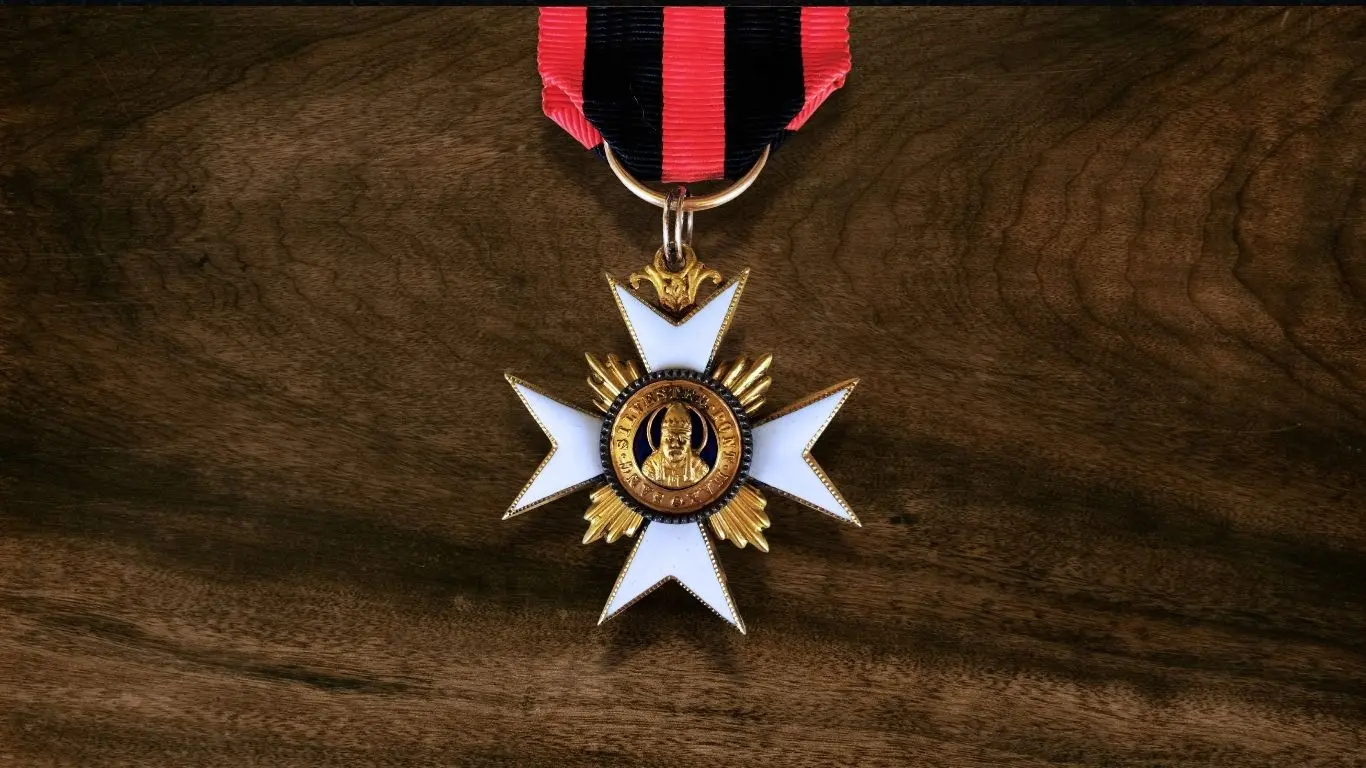
The fifth highest Papal order is the Order of St. Sylvester Pope and Martyr. In 1841, Pope Gregory XVI reformed the Order of the Golden Spur as an order of merit, with recipients appointed by Papal brief. This reformed order was known as the “Order of St. Sylvester and the Golden Militia”. The reforms of 1905 resulted in the separation of that order into the Order of St. Sylvester and the Order of the Golden Spur. The Order of St. Sylvester is presented in the same classes and grades as the Order of St. Gregory the Great, and is typically awarded to recognize and reward members of the laity for active service in the apostolates. It may also be presented to non-Catholics.

Order of Saint Sylvester

The fifth highest Papal order is the Order of St. Sylvester Pope and Martyr. In 1841, Pope Gregory XVI reformed the Order of the Golden Spur as an order of merit, with recipients appointed by Papal brief. This reformed order was known as the “Order of St. Sylvester and the Golden Militia”. The reforms of 1905 resulted in the separation of that order into the Order of St. Sylvester and the Order of the Golden Spur. The Order of St. Sylvester is presented in the same classes and grades as the Order of St. Gregory the Great, and is typically awarded to recognize and reward members of the laity for active service in the apostolates. It may also be presented to non-Catholics.